
Skip to content
Northern LightsSaariselkä
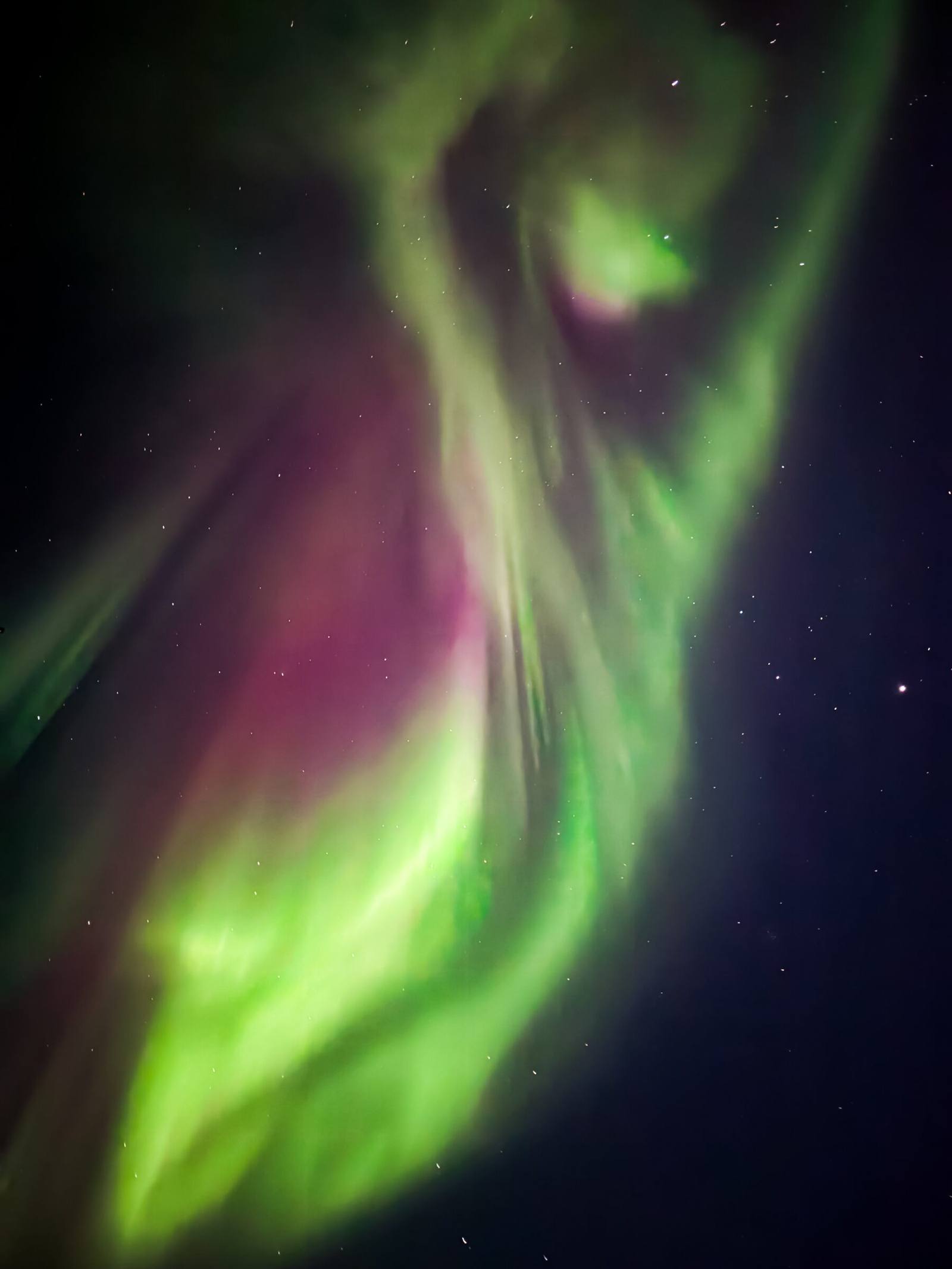
Swirling green aurora with pink and magenta lower edges against a starry sky

Best time to see Northern Lights Saariselkä

When the Arctic sky comes alive

Aurora season in Saariselkä runs from roughly late August to early April. Here is what each month offers — and why flexible dates beat any calendar choice.

Darkness through the season

Hours of dark sky per night

Calculated for Saariselkä at mid-month: hours with the sun more than 12° below the horizon — dark enough for most auroras.

Aug

Sep

Oct

Nov

Dec

Jan

Feb

Mar

Apr

Astronomical calculation, not a forecast. Clouds, moonlight and solar activity decide what you actually see.

Timing

Best month and best time of night

What is the best time of night?

Auroras can appear as soon as the sky is dark enough, often from early evening in mid-winter. Activity frequently increases in the hours around local midnight, when Saariselkä faces the part of the auroral oval where substorms are most common.

That said, displays can start, fade and return at any time. Our tours run in the evening and are spent outdoors and on the move so that you are under a clear sky when activity rises.
What is the best month?

In Saariselkä the nights are dark enough for the aurora from roughly late August until early April. Long-term statistics show slightly more geomagnetic activity around the equinoxes in September–October and March, and those months also offer comfortable temperatures.

In practice, the weather during your stay matters more than the month you choose. Staying several nights — and booking with flexible dates — improves your chances more than any calendar choice.

Month by month

Can you see auroras in…

October

Can you see auroras in October?

Yes. October nights are long and dark, autumn equinox activity is often good, and unfrozen lakes can mirror the aurora. Weather is changeable, with the first snow usually arriving during the month and temperatures typically around or just below freezing.

November

Can you see auroras in November?

Yes. Darkness grows quickly through November, giving many hours of aurora-watching time. It is often one of the cloudier months in Lapland, so flexibility and hunting by car make a real difference.

December

Can you see auroras in December?

Yes. In Saariselkä the sun stays below the horizon from roughly early December to early January — the polar night, or kaamos. Long darkness gives plenty of time for auroras, and the blue midday twilight and snowy forests are beautiful. Cloud can be persistent, and the Christmas period books up early.

January

Can you see auroras in January?

Yes. January is usually the coldest month, and cold, high-pressure spells often bring crystal-clear skies. Nights are still very long. Dress for temperatures that can fall well below −20 °C.

February

Can you see auroras in February?

Yes. February combines deep snow, longer daylight for daytime activities and still-long dark nights. Clear, frosty weather is common, which makes it a popular month for aurora trips.

March

Can you see auroras in March?

Yes. March brings the spring equinox, which is statistically associated with increased geomagnetic activity. The nights are shorter but still dark, temperatures are milder and the snow is at its deepest — excellent conditions for both aurora hunting and photography.

April

Can you see auroras in April?

In early April, yes — but the season is ending. The nights shorten quickly at 68° north, and by mid to late April the sky no longer gets dark enough for the aurora to be seen well. Plan for the first days of the month and late-evening tours.

Location

Why is Saariselkä a good location?

Saariselkä sits at about 68.4° north, close to the usual position of the auroral oval, in one of the darkest and least populated regions of Europe. Within a short drive are open fells, frozen lakes, wilderness roads and dark forests — many directions to search for clear skies.

The area is also easy to reach: Ivalo Airport is only around 25–30 kilometres away, with direct winter flights from Helsinki.

FAQ

Planning questions

What is the best month to visit Saariselkä?

The aurora season runs from roughly late August to early April. Each month has its own character: autumn has lake reflections and milder nights, December and January bring long polar darkness, and February–March combine snowy landscapes with longer days and often more stable, clear weather. There is no single “best” month — clear skies on the nights you are here matter most.

Month-by-month guide

What time of night are the Northern Lights most active?

Displays can begin as soon as it is properly dark, and activity often peaks in the hours around local midnight. Auroral substorms can, however, flare up at any time of the night, which is why our tours are spent outdoors and on the move rather than waiting in one spot.

Can we change the tour date?

Contact us as early as possible by WhatsApp or email. Date changes depend on availability. This is also why our booking request form asks for alternative dates — flexibility helps when the local weather looks poor.

How accurate are aurora forecasts?

Short-term forecasts (the next 30–90 minutes) based on real-time solar-wind data are the most useful. Kp forecasts for the next days are much less certain, and accuracy drops the further ahead you look. Local cloud forecasts also change quickly in Lapland, so we make the final route decisions on the night.

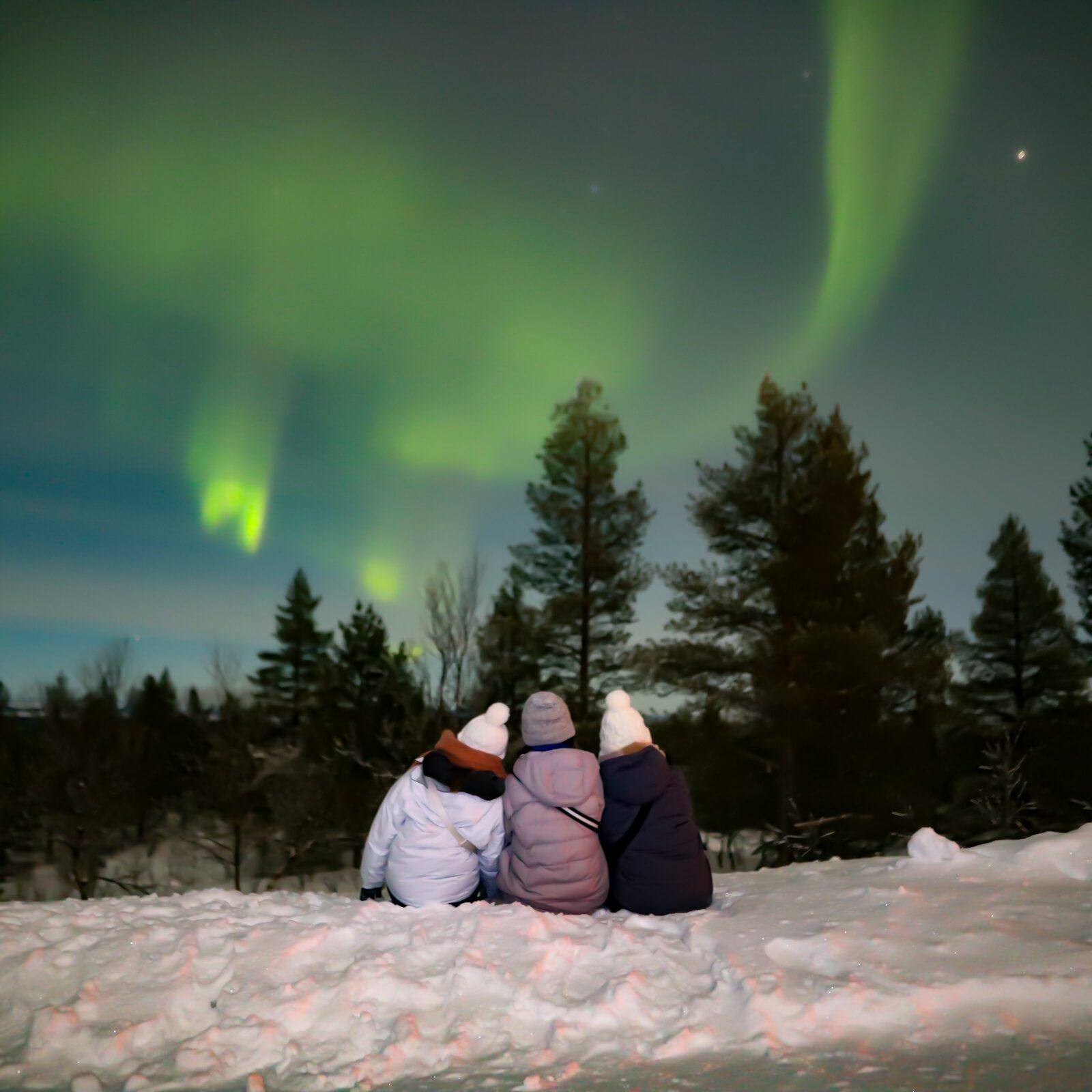
Three guests sitting in deep snow watching green Northern Lights above the forest

Book directly with Arctic Tours Oy

Ready for your night under the aurora?

Book online with instant confirmation, send a booking request with flexible dates, or message us on WhatsApp.

Book aurora tourPrivate